Resources
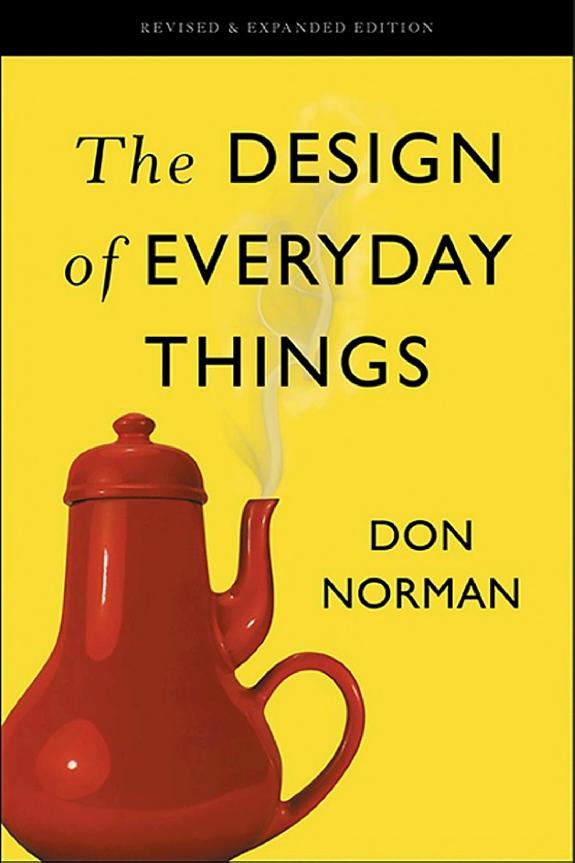
by Don Norman
The Design of Everyday Things emphasizes the need for designs to be user-centered — enhancing ease of use and effectiveness through fundamental, human-aware principles.
Key Concepts
Functional Design
Make product functions clear and intuitive, reducing errors and improving experience.
Fundamental Concepts
Usability, feedback, consistency with human expectations, and adaptability.
Interaction & Feedback
Provide immediate feedback so users understand the impact of their actions.
Affordances & Signifiers
Design elements should clearly indicate how they are meant to be used.
Designing for Human Error
Anticipate mistakes and guide users in correcting them.
In their words
“When you design something, you are designing the experience of it.”
“The more you know about what people are trying to accomplish, the better you can design for them.”
“Good design is actually a lot harder to achieve than bad design.”
“The problem with most designs is not that they are too complex but that they are not simple enough.”
Value & Benefits
Human-Centered Lens
Understand how people actually think and use things, not how you assume they should.
Clearer Affordances
Design controls that communicate their function at a glance.
Better Feedback Loops
Reduce frustration by making every action's result visible.
Error-Tolerant Design
Build in guidance and recovery so mistakes are easy to fix.